Soil Sisters WI Home

Category

Regenerative Agriculture

6 articles

What Your Soil Carbon Numbers Are Actually Telling You — And Why the Testing Method You Choose Could Make or Break Your Bottom Line

What Your Soil Carbon Numbers Are Actually Telling You — And Why the Testing Method You Choose Could Make or Break Your Bottom Line

Soil carbon testing isn't a one-size-fits-all situation, and choosing the wrong method could leave serious money on the table — or worse, disqualify you from carbon markets entirely. Before you submit another sample or sign another contract, here's what Wisconsin farmers need to understand about how carbon gets measured, verified, and valued. The stakes are higher than most people realize.
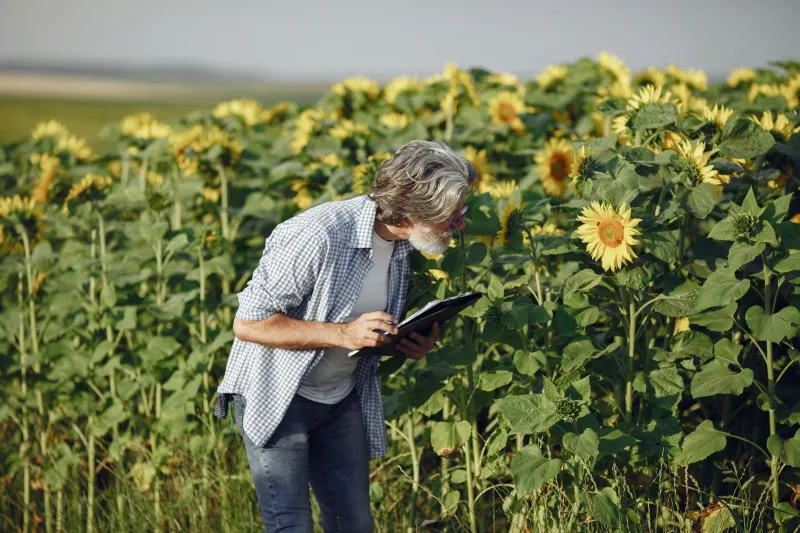
Before You Sign That Carbon Contract: What Wisconsin Farmers Must Know About How Credits Are Measured and Monetized

Before You Sign That Carbon Contract: What Wisconsin Farmers Must Know About How Credits Are Measured and Monetized

Carbon markets are dangling real money in front of farmers, and that's genuinely exciting — but the fine print can make or break whether you actually benefit. Understanding how soil carbon is measured, who verifies it, and how different protocols affect your payout isn't just accounting homework; it's the difference between a smart business decision and a long-term headache.

Separating Soil Truth from Soil Hype: A Wisconsin Farmer's Guide to What Actually Works

Separating Soil Truth from Soil Hype: A Wisconsin Farmer's Guide to What Actually Works

Regenerative agriculture has become one of the most buzzed-about movements in farming — and with that buzz comes a whole lot of noise. Not every claim holds up when you put it next to actual Wisconsin soil data. We dug into the peer-reviewed research and talked to farmers in the field to find out which practices genuinely move the needle, and which ones are mostly marketing.

From the Ground Up: Wisconsin Women Are Quietly Transforming How We Farm

Across Wisconsin's fields and farmsteads, a quiet revolution is taking root — and women are leading it. From cover cropping in the Driftless Area to no-till experiments in the Fox Valley, female farmers are building networks, sharing knowledge, and proving that regenerative agriculture isn't just a trend. It's a movement with deep roots.

Farming the Future: How Storing Carbon in Your Soil Could Become Wisconsin's Next Cash Crop

Farming the Future: How Storing Carbon in Your Soil Could Become Wisconsin's Next Cash Crop

Carbon markets and federal conservation programs are quietly creating a new revenue stream for Wisconsin farmers willing to rethink how they manage their land. Building soil organic matter isn't just good for your fields — increasingly, it's becoming good for your bottom line. Here's a plain-language breakdown of how sequestration programs work, what Wisconsin operations are eligible for, and why now might be the right time to get in.